

Sustancia química que es medida por el Programa para el Biomonitoreo de California
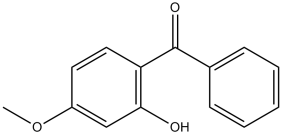
Benzophenone-3 (BP-3; oxybenzone) is used in many sunscreens and some other personal care products to protect skin from sun damage. Benzophenone-3 is also added to packaging and some consumer products, such as cosmetics and paints, to protect the products from sun damage.
Fact Sheet
BP-3 is found in:
- Many sunscreens.
- Sun-protective personal care products, such as some lotions, lip balms, and cosmetics.
- Some perfumes, shampoos, conditioners, and nail polish.
- Plastic packaging for some food and consumer products.
- Some protective coatings, such as varnish and oil-based paint.
Possible health concerns:
- BP-3 may interfere with the body’s natural hormones.
Possible ways to reduce exposure:
- Wash off sunscreen and sun-protective products once you are out of the sun.
- Eat more fresh food and less packaged food, which might help reduce exposure to BP-3 from some plastic packaging.
Importance of sun safety
Sun exposure is known to damage skin and increase cancer risk. Applying a broad spectrum sunscreen is one of the most important ways to protect against the sun’s ultraviolet (UV) rays. You should also:
- Reduce or avoid exposure to direct sunlight when UV rays are strongest, usually between 10 am and 4 pm. When possible, stay in the shade.
- Wear protective clothing, including a wide-brimmed hat and sunglasses, and long sleeves and long pants if possible.
For More Information
Sun safety tips: http://www.healthychildren.org/English/safety-prevention/at-play/Pages/Sun-Safety.aspxBiomonitoring California Information
External Biomonitoring Links
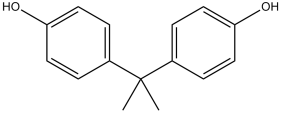
Bisphenol A (BPA) is used to make a hard plastic called polycarbonate. Until recently, BPA was also widely used to make the protective coatings inside food and drink cans, but US manufacturers have been phasing it out in response to consumer demand and scientific findings of serious health concerns. BPA may be in adhesives used to bond fabrics, such as for “no-stitch” clothing. It is also still used in some types of paper receipts.
Fact Sheet
BPA is found in:
- Hard polycarbonate plastic in a variety of items, such as:
- Some kitchenware, like plates, mugs, and storage bottles.
- Eyeglass lenses, and screens for cell phones and laptop computers.
- Safety equipment, like helmets and protective visors.
- Parts for cars, light fixtures, and medical devices.
- Some protective coatings inside food cans; on household appliances; inside metal drinking water pipes; and on laminate flooring and concrete.
- Some clothing, including baby socks, blankets, and onesies.
- Some dental sealants.
- Some receipts printed on smooth shiny paper, such as from cash registers or gas pumps.
- Building materials, like sealants, adhesives, and grout.
Possible health concerns:
- May harm the reproductive system in women.
- May interfere with the body’s natural hormones.
- May affect the fetus and infant, including possible changes in development and behavior.
- Might increase cancer risk.
Possible ways to reduce exposure:
- Eat more fresh food and less canned food.
- Use glass or stainless steel containers for food and drinks.
- Request an electronic receipt, or no receipt, when possible. If you work as a cashier or otherwise frequently handle receipts, wear nitrile gloves.
- Because BPA can come out of products and collect in dust:
- Wash your and your child’s hands often, especially before preparing or eating food.
- Clean your floors regularly, using a wet mop or HEPA vacuum if possible, and use a damp cloth to dust.
